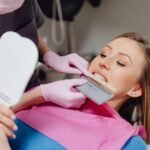
Long-Term Cost Benefits of Preventive Dentistry
Preventive dentistry is an essential aspect of maintaining oral health that can lead to significant long-term cost benefits. By focusing on preventive measures, you can reduce the likelihood of serious dental problems down the road. This not only keeps your smile bright but also helps you save money.
Understanding Preventive Dentistry
Preventive dentistry includes a range of services aimed at ensuring your teeth and gums remain healthy. These services typically include:
- Regular dental check-ups
- Professional cleanings
- Fluoride treatments
- Dental sealants
- Education on proper oral hygiene practices
The Cost Implications
While some might see preventive dentistry as an unnecessary expense, the reality is quite the opposite. Investing in preventive care can lead to substantial savings over time. Here are some ways preventive dentistry saves you money:
Reduced Need for Treatments
When you regularly visit the dentist for check-ups, you can catch potential problems early. Early detection often means simpler and cheaper treatments. For example:
| Issue | Cost of Preventive Care | Cost of Advanced Treatment |
|---|---|---|
| Cavity | $100 (filling) | $1,000 (root canal) |
| Gum disease | $200 (cleaning) | $2,500 (surgery) |
Fewer Emergencies
Regular dental visits reduce the chances of dental emergencies, which often come with high costs and added stress. Emergency visits can lead to treatments that are not only expensive but may also inconvenience your schedule. By prioritizing preventive dentistry, you can avoid these urgent situations altogether.
The Value of Education
Part of preventive dentistry is education about how to care for your teeth. By learning the right techniques for brushing and flossing, you can maintain your oral health at home. This knowledge can dramatically decrease your chances of cavities and gum disease, further lowering your potential future costs.
Insurance Benefits
Many dental insurance plans cover preventive measures at a higher percentage than they do restorative treatments. This means your out-of-pocket expense for preventive care is often minimal. Most plans will cover:
- Two cleanings per year
- Annual exams
- X-rays if needed
Utilizing these benefits can help you maximize your dental insurance while maintaining your health.
Long-Term Health Impact
Maintaining good oral health is not only about teeth; it has broader impacts on your overall health. Research has linked oral health issues with conditions such as heart disease and diabetes. Addressing dental problems early can reduce the risk of serious health issues, ultimately saving you money on broader healthcare expenses.
Your Role in Preventive Dentistry
Your commitment to preventive dentistry plays a crucial role in your long-term savings. Here are some steps you can take:
- Visit the dentist regularly—aim for twice a year.
- Practice good oral hygiene at home.
- Stay informed about your dental health and treatments available.
- Utilize your dental insurance benefits effectively.
To learn more about the importance and benefits of preventive dentistry, visit ADA and Mouth Healthy. These resources can provide valuable insights and tips on maintaining your dental health.
Preventive dentistry not only promotes a healthy smile but also offers meaningful long-term cost savings. By investing in your oral health today, you can avoid costly treatments tomorrow, allowing both your wallet and your smile to shine for years to come.
The Role of Regular Check-Ups in Minimizing Future Dental Expenses
Regular dental check-ups play a vital role in maintaining your oral health and can significantly influence your long-term dental expenses. Many people underestimate the cost benefits associated with these visits, often seeing them as an unnecessary expense. However, investing in routine check-ups can save you money in the long run by preventing costly dental procedures down the line.
During a routine check-up, your dentist conducts a thorough examination of your teeth, gums, and mouth. They can identify potential issues before they escalate into serious problems requiring extensive treatment. Here are some advantages of regular check-ups:
- Early Detection of Issues: Regular visits allow your dentist to spot cavities, gum disease, or other conditions early on. Catching these problems in their infancy can save you from undergoing more invasive and expensive treatments like root canals or gum surgery.
- Professional Cleanings: Dental hygienists perform cleanings during check-ups, which help remove plaque and tartar. This reduces your risk of cavities and gum disease, ultimately decreasing your chances of needing future fillings or tooth extractions.
- Education and Prevention: Regular appointments provide an opportunity for dental education. Your dentist can guide you on proper brushing, flossing, and dietary choices that can enhance your oral health, saving you money on dental work.
Many individuals might think that having dental insurance takes care of costs associated with unexpected procedures. However, insurance often covers only a portion of major treatments. By prioritizing regular check-ups, you are proactively protecting your health and finances. Below, you can find a comparison of costs associated with preventive care versus reactive care:
| Dental Procedure | Average Cost | Insurance Coverage (Typical) | Out-Of-Pocket Cost After Coverage |
|---|---|---|---|
| Routine Check-Up | $150 | 100% | $0 |
| Filling a Cavity | $200 | 50% | $100 |
| Root Canal Treatment | $1,500 | 50% | $750 |
| Gum Surgery | $3,000 | 50% | $1,500 |
As evidenced in the table above, the cost of a single routine dental check-up is significantly lower than reactive treatments. By making a regular check-up part of your routine, you can avoid higher expenses due to neglected dental health.
Furthermore, many dental offices offer payment plans or membership programs to help manage costs associated with regular check-ups. Not only does this option make it financially manageable, but it can also encourage more frequent visits that contribute to better health. By sticking to a preventive care routine, you can ensure that you maintain a healthy smile without breaking the bank.
Being proactive about your dental health through regular check-ups can instill a sense of well-being and confidence. You’ll be less stressed about unexpected dental issues and expenses. Remember, your oral health is directly tied to your overall health. Poor dental hygiene can lead to conditions like heart disease or diabetes, which can interfere with your overall quality of life.
Regular dental check-ups are not just about immediate care; they’re an investment in your future health and financial well-being. Save yourself from hefty bills by prioritizing preventive dentistry. For more information on the importance of regular dental visits, you can check resources from the American Dental Association or Centers for Disease Control and Prevention.
Comparing Preventive Dentistry Costs with Emergency Dental Treatments
When considering your dental health, one important aspect to think about is the cost associated with preventive dentistry compared to emergency dental treatments. Understanding the long-term financial implications of your dental care choices can significantly affect your overall expenses and wellbeing.
Preventive dentistry involves regular visits to your dentist for check-ups and cleanings, dietary advice, and educational resources. Emergency dental treatments, on the other hand, are often required due to unforeseen issues like severe pain, infections, or injuries. The financial impact of these treatments can be overwhelming and can be avoided with proper preventive care.
Monthly Expense Comparison
Here’s a breakdown of potential monthly costs for preventive care versus emergency treatments:
| Type of Dental Care | Estimated Monthly Cost |
|---|---|
| Preventive Dentistry (Check-ups & Cleanings) | $50 – $200 |
| Emergency Visit | $500 – $2,000+ |
As you can see, the cost of having regular preventive care in place is significantly lower than the potential costs incurred during an emergency visit. Over time, these small regular payments can lead to substantial savings.
Long-Term Financial Benefits
Investing in preventive dentistry can yield significant long-term cost benefits. Here are some key advantages:
- Reduced Risk of Major Procedures: Regular check-ups can help identify issues early. Treating a cavity when it’s small can prevent root canals or crowns later, which are much more expensive.
- Insurance Coverage: Many dental insurance plans offer full coverage for preventive services, reducing personal costs. Emergency treatments, however, often may only be partially covered.
- Time Savings: Preventive care requires less time away from work or daily activities, while emergency treatments can lead to multiple visits and long recovery times.
Avoid Future Expenses
Many dental issues, if left untreated, escalate and require costly interventions. Here are a few common situations where preventive care saves money:
- Cavities: A simple filling can cost around $200, while neglecting a cavity may lead to root canal treatment, which can exceed $1,500.
- Gum Disease: Regular cleanings can help prevent gingivitis. Treating severe gum disease can cost up to $5,000 in some cases.
- Oral Cancer: Yearly screenings can catch early signs of oral cancer. The treatments can be well over $50,000 but are often manageable if caught early.
By making a habit of visiting your dentist regularly, you are actively reducing your long-term expenditures on dental treatments.
on Choosing Preventive Care
Choosing preventive dentistry is not only a smart financial decision, but it also contributes to your overall health. Prevention can help you maintain your smile, reduce pain, and avoid unnecessary treatments in the future.
If you’re looking for more information about preventive dentistry and its cost-saving benefits, websites such as American Dental Association and Colgate Oral Health provide excellent resources. Remember, investing in your dental health today can save you money tomorrow and give you peace of mind for years to come.
The Impact of Dental Hygiene Education on Long-Term Savings
Dental hygiene education plays a significant role in shaping how individuals take care of their oral health. When people understand the importance of proper dental care, they are more likely to adopt preventive measures. This strong foundation sets the stage for long-term savings and overall well-being.
Understanding Dental Hygiene Education
Dental hygiene education involves teaching individuals about proper oral care techniques, the importance of regular check-ups, and the potential consequences of neglecting dental health. Education can be provided through schools, community health programs, or dental offices. By focusing on preventive care, many people can avoid costly dental procedures down the road.
The Role of Preventive Dentistry
Preventive dentistry focuses on maintaining oral health through routine practices. It includes regular dental visits, cleanings, and assessments to catch issues early. Here are some essential components of preventive dentistry:
- Regular check-ups
- Daily brushing and flossing
- Fluoride treatments
- Dental sealants
How Dental Hygiene Education Contributes to Savings
Investing time in dental hygiene education leads to both immediate and long-term savings on dental care. A few factors illustrate this connection:
1. Reducing Emergency Dental Visits
When individuals grasp the essentials of dental hygiene and engage in preventive habits, they are less likely to encounter severe dental issues requiring emergency treatment. This proactive approach reduces the chances of facing costly procedures that can arise from neglect, such as root canals or extractions.
2. Maintaining Oral Health
Proper education and hygiene can minimize gum disease and tooth decay, leading to a healthier mouth overall. Healthier teeth and gums result in lower dental bills over time. Without serious dental problems, patients can save significantly on treatments that often range from hundreds to thousands of dollars.
3. Influencing Family Health
When one family member understands dental health, they often share that knowledge with others. This cultural shift can encourage everyone in the family to prioritize their dental hygiene, leading to fewer dental issues and savings for the entire household.
4. Enhancing General Health
The benefits of good oral hygiene extend beyond the mouth. Poor dental health has been linked to serious medical conditions such as heart disease, diabetes, and respiratory issues. By investing in dental hygiene education, individuals may save on medical costs associated with these chronic diseases.
Financial Estimates on Dental Care
| Type of Treatment | Average Cost | Preventive Care Cost |
|---|---|---|
| Root Canal | $1,000-$1,500 | $70-$200 (annual check-up and cleaning) |
| Dental Crown | $800-$1,500 | $70-$200 (annual check-up and cleaning) |
| Tooth Extraction | $75-$300 | $70-$200 (annual check-up and cleaning) |
By comparing the costs of various dental treatments to the cost of preventive care, the financial advantage of prioritizing hygiene education becomes clear. Investing in understanding how to care for your teeth will not only maintain your smile but can also safeguard your finances.
Resources for Dental Hygiene Education
If you’re interested in learning more about dental hygiene and preventive care, consider exploring resources such as the American Dental Association, which offers essential insights on healthy oral habits. Additionally, the Centers for Disease Control and Prevention provides valuable information about the connection between oral health and overall health.
By embracing dental hygiene education, you take the first step towards achieving long-term oral health and financial savings. Prioritizing preventive care will not only save you money but will also lead to a healthier and happier life.
How Preventive Measures Can Reduce the Need for Major Dental Work
Choosing preventive dentistry is a smart choice that can lead to a healthier smile and save you significant money in the long run. By addressing dental issues before they become serious problems, you can avoid costly procedures and achieve optimal oral health. Here, we’ll explore how preventive measures can reduce the need for major dental work.
Regular dental check-ups are at the cornerstone of preventive dentistry. Visiting your dentist at least twice a year allows for early detection and intervention of potential issues. During these visits, your dentist can:
- Perform thorough cleanings to remove plaque and tartar.
- Identify cavities, gum disease, or other health concerns while they are still manageable.
- Provide personalized oral hygiene advice tailored to your needs.
Additionally, fluoride treatments and sealants are highly effective preventive measures that can significantly reduce the risk of decay. Fluoride strengthens tooth enamel and makes it more resistant to acid attacks from plaque bacteria and sugars. Sealants, on the other hand, are thin plastic coatings applied to the chewing surfaces of back teeth, protecting them from decay. According to the CDC, sealants can reduce cavities by up to 80% in children and provide long-lasting protection in adults as well.
Another important aspect of preventive care is maintaining proper oral hygiene at home. Brushing and flossing your teeth daily removes food particles and plaque that can cause cavities and gum disease. Consider the following tips for maintaining good oral hygiene:
- Brush at least twice a day using a fluoride toothpaste.
- Floss daily to clean between your teeth where brushes can’t reach.
- Use an antibacterial mouthwash to reduce plaque and bacteria.
- Limit sugary snacks and drinks that contribute to tooth decay.
Diet plays a critical role in your overall dental health. Consuming a balanced diet rich in vitamins and minerals strengthens your teeth and gums. Foods high in calcium, such as dairy products, or those rich in vitamin C, like fruits and vegetables, can help maintain strong teeth and prevent gum disease.
Beyond direct oral hygiene practices, preventive dentistry also encompasses lifestyle changes. Avoiding tobacco products and reducing alcohol intake can lower your risk of gum disease and oral cancer. Furthermore, managing stress is important as it can lead to teeth grinding, which may cause significant dental damage over time.
Investing in preventive dentistry today can lead to long-term cost benefits. Here are some key points illustrating the financial advantages:
| Preventive Measures | Average Cost | Cost of Major Dental Work |
|---|---|---|
| Regular Check-ups | $200/year | $2,500 (Crowns, Fillings) |
| Fluoride Treatments | $40/treatment | $1,200 (Root Canal) |
| Dental Sealants | $50/tooth | $500 (Extractions) |
As outlined, the cost of preventive measures is far less than the cost associated with significant dental procedures. By prioritizing routine dental care and maintaining a healthy oral hygiene routine, you not only safeguard your teeth but also protect your wallet.
Preventive dentistry offers a wide array of benefits that can help you maintain your dental health while reducing the necessity for major dental work. By adopting good oral hygiene practices, attending regular dental appointments, and making informed dietary choices, you can enjoy a vibrant smile for years to come. For more information on how to maintain excellent oral health, you can visit the American Dental Association or check out the Mouth Healthy site.
Insurance Benefits: Maximizing Coverage through Preventive Care
When it comes to managing your health, understanding your insurance benefits can be a game changer. Preventive care is often at the forefront of maximizing your coverage, and it comes with numerous long-term advantages. Investing in preventive services through your insurance not only keeps you healthy but also helps you save money in the long run.
Preventive care encompasses regular check-ups, screenings, vaccinations, and counseling services. These services are essential for detecting potential health issues before they evolve into serious conditions. The best part? Many insurance plans cover these preventive services at no additional cost to you, as long as you use in-network providers.
Let’s take a look at how preventive care can boost your insurance benefits:
Understanding Preventive Care Coverage
Most insurance plans include a variety of preventive services. The benefits of these services include:
- Routine screenings for conditions like high blood pressure and diabetes.
- Annual physical exams that help assess your overall health.
- Vaccinations that protect against harmful diseases.
- Counseling services for mental health and lifestyle changes.
By taking advantage of these services, you can pinpoint health issues early, which can lead to more effective treatments, reduced complications, and, ultimately, lower medical expenses.
Long-Term Financial Benefits
Embracing preventive care can yield significant savings. Here’s how:
- Reduced medical bills: Early intervention often leads to fewer costly treatments for chronic conditions.
- Avoiding complications: Managing health issues proactively helps avoid further complications that may require more extensive and expensive treatment.
- Lower insurance premiums: Healthy individuals may enjoy lower premiums in the long run, as insurers incentivize healthy living.
Common Preventive Services Covered
It is essential to know which preventive services your insurance covers. Here is a list of common services typically included:
| Service | Frequency | Cost |
|---|---|---|
| Annual physical exam | Once a year | No cost with insurance |
| Blood pressure screening | Every 1-2 years | No cost with insurance |
| Cholesterol screening | Every 3-5 years | No cost with insurance |
| Flu vaccine | Annually | No cost with insurance |
| HIV screening | At least once | No cost with insurance |
Knowing about these covered services empowers you to utilize your insurance benefits effectively. For details on your particular plan, always refer to your insurance provider or check with [Healthcare.gov](https://www.healthcare.gov/) for guidance on preventive care services.
Maximizing Coverage through Preventive Care
To maximize your insurance coverage through preventive care, consider the following strategies:
- Schedule regular check-ups with your doctor.
- Be proactive in seeking out recommended screenings based on your age and health history.
- Utilize vaccinations to safeguard your health and prevent serious diseases.
- Keep a record of your preventive services and review your insurance benefits regularly.
Engaging with your health proactively can lead to a better quality of life, and utilizing the preventive services offered by your insurance can be an effective way to manage your healthcare costs. To find out more about specific preventive care services available in your plans, visit [CDC.gov](https://www.cdc.gov/) for current recommendations and guidelines.
Preventive care is an invaluable part of any health insurance plan. Not only does it help you maintain your overall health, but it also results in substantial cost savings over time. Don’t overlook the chance to maximize your insurance coverage by prioritizing preventive care services.
Real-Life Stories: How Preventive Dentistry Saved Patients Money
Preventive dentistry is more than just a routine checkup; it’s a savvy way to save money in the long run. Patients regularly share real-life stories about how preventive measures cut costs significantly, not just for their dental health but for their overall finances. Let’s explore a few of these remarkable scenarios.
Regular Checkups and Cleanings
One of the most common stories involves Carla, a 38-year-old mother of two. Carla made it a point to schedule regular dental checkups. During one visit, her dentist discovered early signs of gum disease. Instead of facing extensive treatments, which could have cost thousands, Carla only needed a deep cleaning. She saved a significant amount of money by addressing the problem early. Regular cleanings cost about ADA $100 to $200, while treating advanced gum disease could range anywhere from $1,000 to $3,000.
Fluoride Treatments
Ryan, a teenager, always encountered cavities, leading to frequent dental visits. His dentist recommended applying fluoride treatments twice a year. Initially hesitant, Ryan’s parents decided to invest in these preventive measures. After implementing this routine, Ryan went cavity-free for over two years. The cost of routine cavity treatment can be around $150 to $300 per tooth, while fluoride treatments are priced significantly lower at approximately $25 each. Preventive treatments saved Ryan’s family not just time but also considerable dollars in dental care.
Sealants: A Smart Move
Many parents, inspired by their friends’ experiences, turn to dental sealants for their children. Susan chose to have sealants applied on her daughter’s molars. The application of sealants costs about $30 to $60 per tooth, while repairing a cavity in a molar can average between $150 to $300. Thankfully, thanks to those sealants, Susan’s daughter hasn’t needed surgery — a happy result that directly reflects preventive measures. This story emphasizes the importance of sealing those vulnerable spots and reducing the risk of serious problems later.
Investing in Education
Many dental practices emphasize educating their patients. For example, during her regular checkup, Linda learned about the importance of flossing and diet. By adopting these recommended behaviors, she avoided costly fillings and treatments for cavities resulting from poor hygiene. Improving oral health habits through education can make a significant difference, ultimately saving patients an average of $200 to $600 in dental bills identified through ongoing research.
Case Studies and Data Insights
| Preventive Action | Cost of Action | Potential Savings from Avoided Treatments |
|---|---|---|
| Regular Checkups | $100 – $200 | $1,000 – $3,000 for treatments |
| Fluoride Treatments | $25 each | $150 – $300 per cavity |
| Dental Sealants | $30 – $60 per tooth | $150 – $300 per cavity |
| Patient Education | N/A | $200 – $600 on average |
Like many, David’s life changed when he chose to go for preventive dentistry rather than waiting for issues to arise. After conducting online research, he read various articles, including insights from CDC, underlining the cost-effectiveness of preventive care. David experienced fewer emergencies and expensive treatments, which translated to more money in his pocket over time.
Engaging these preventive practices ensures that you’re not just maintaining your dental health; you’re also making a financially sound plan for the future. In the stories mentioned, each individual has seen tangible benefits, proving that, in dentistry, an ounce of prevention is worth a pound of cure. Make the choice for preventive dentistry today and benefit from long-term financial savings.
Key Takeaway:
When considering oral health, it’s essential to highlight the long-term cost benefits of preventive dentistry. Preventive dentistry focuses on maintaining good dental health through regular care and education, significantly reducing future expenses associated with more extensive dental work.
The importance of regular check-ups cannot be overstated. By scheduling routine visits with your dentist, you can catch potential issues early, minimizing the need for costly treatments later. For example, a simple cavity can often be filled during a routine check-up, while letting it progress can lead to root canals or crowns that cost much more. Regular check-ups ensure that any signs of decay or other problems are addressed early, keeping future dental expenses low.
When comparing the costs of preventive dentistry to emergency dental treatments, the savings become even more apparent. Emergency procedures tend to be significantly more expensive and often require immediate attention due to the pain and complications they can cause. By investing in preventive care now, you can avoid these emergency situations that can strain your budget.
Dental hygiene education also plays a crucial role in long-term savings. Understanding proper brushing and flossing techniques can empower you to take charge of your dental health. Better hygiene reduces the likelihood of developing serious issues, ultimately lessening the financial burden of dental work.
Moreover, preventive measures, such as sealants and fluoride treatments, can greatly decrease the necessity for major dental procedures later. These proactive steps can protect your teeth from decay and erosion, saving you from costly treatments down the line.
Don’t forget to take advantage of your dental insurance benefits, as many plans cover preventive care at 100%. By maximizing your coverage through regular preventive visits, you can further decrease out-of-pocket costs.
Real-life stories of patients illustrate how preventive dentistry has saved them money. Many have shared experiences of avoiding costly procedures by adhering to a consistent preventive care routine. These testimonials underscore the value of prioritizing preventive dentistry for both immediate and long-term health and financial benefits.
Investing in preventive dentistry is not only beneficial for your health but also a smart financial decision that can save you considerable amounts of money in the long run. The key takeaway is that by focusing on preventive care, you are protecting your teeth, reducing future expenses, and promoting better overall health for years to come.
Conclusion
Investing in preventive dentistry is not just a smart choice for your oral health; it also presents substantial long-term cost benefits. By regularly attending check-ups, you minimize the risk of developing serious dental issues that could lead to costly emergency treatments. This proactive approach allows you to catch problems early, often resulting in simpler and less expensive care over time.
When we compare the costs of preventive care to emergency dental treatments, the savings become clear. Preventive measures, such as cleanings and check-ups, are considerably less expensive than the procedures required to fix advanced dental problems. Furthermore, proper dental hygiene education equips you with the knowledge to maintain your oral health at home, drastically reducing the need for more complicated treatments.
Preventive dentistry not only protects your smile but also helps you avoid major dental work, which can strain your budget. Many dental insurance plans offer robust coverage for preventive services, allowing you to maximize your benefits while minimizing out-of-pocket expenses.
Real-life stories from patients illustrate these long-term savings. Many have shared how their commitment to preventive care led to significant reductions in dental costs over the years. By prioritizing routine visits and embracing good oral hygiene, they’ve found that maintaining their smiles doesn’t have to break the bank.
Ultimately, preventive dentistry is an investment in both your health and your finances. By choosing to engage in preventive care, you’re ensuring a brighter, healthier future for your teeth while saving money in the process.