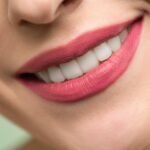









How to Safely Get a Brighter, Whiter Smile in 2026
Achieving a brighter, whiter smile is a common goal for many, but safety should always come first. In 2026, various methods will allow you to enhance your smile without risking your dental health. Here, we explore effective techniques and products to help you achieve a fantastic smile safely.
Understanding Teeth Discoloration
Your teeth can become discolored for various reasons, including:
- Food and drink stains from coffee, tea, wine, and berries.
- Smoking or tobacco use.
- Age-related changes, where the enamel may wear down, exposing the yellow dentin.
- Certain medications that may contribute to discoloration.
Knowing the cause of discoloration is the first step in determining the best method for a brighter smile.
Choosing Safe Whitening Products
When shopping for whitening products in 2026, look for options that have been clinically tested and approved by dental associations. Here are some popular types:
- Whitening Toothpaste: These often contain mild abrasives and chemical agents, helping to remove surface stains.
- Whitening Strips: These flexible strips are coated with a peroxide-based gel. They can improve tooth color over several applications.
- Whitening Trays: Custom or over-the-counter trays filled with bleaching gel can be highly effective.
- Whitening Pens: Convenient for on-the-go touch-ups, these pens contain a gel that can be brushed directly onto the teeth.
Always look for products that have the ADA Seal of Acceptance, ensuring safety and efficacy. For more information on safe whitening options, visit the American Dental Association.
Natural Remedies for Whiter Teeth
If you prefer natural methods, several remedies can help enhance your smile without harsh chemicals:
- Baking Soda: This mild abrasive can gently remove stains. Mix it with water to form a paste, then brush for a whiter smile.
- Apple Cider Vinegar: Used sparingly, it may help remove stains due to its acidity. Rinse your mouth with water afterward to prevent enamel erosion.
- Strawberries: The malic acid in strawberries can help to whiten teeth. Mash a few strawberries and apply the paste to your teeth, leaving it for five minutes before brushing.
Consult with your dentist before trying natural remedies to ensure they are suitable for your dental health.
Professional Whitening Treatments
For more dramatic results, consider visiting your dentist for professional whitening treatments. Here are some options:
- In-Office Whitening: This procedure uses stronger bleaching agents under professional supervision, resulting in immediate results.
- Take-Home Kits: Your dentist can provide customized trays and gel for you to use at home, ensuring safe and effective whitening over time.
To understand which professional option fits your needs best, schedule a consultation with your local dentist. For a comprehensive guide, check out Mouth Healthy.
Maintaining Your Bright Smile
Once you achieve the results you desire, maintaining your bright smile is crucial. Here are several tips to help you keep your teeth white:
- Brush your teeth twice a day with fluoride toothpaste.
- Floss daily to remove plaque buildup between teeth.
- Limit consumption of staining foods and beverages.
- Regular visits to your dentist for cleanings and check-ups.
Consulting with Your Dentist
Your dentist can provide tailored advice specific to your dental history and needs. Regular check-ups will ensure that your teeth remain healthy and that any whitening method you choose is effective and safe. For personalized advice, reach out to a dental professional in your area.
By following these guidelines, you can safely achieve a brighter, whiter smile in 2026, boosting your confidence and enhancing your overall appearance. Remember, a stunning smile is not just about appearance; it’s also about ensuring your dental health remains a priority.
The Benefits of Whiter Teeth for Your Confidence
Have you ever noticed how a bright, white smile can instantly uplift your mood and boost your self-esteem? The benefits of having whiter teeth extend far beyond mere aesthetics. It can redefine how you feel about yourself and, in turn, how others perceive you. Investing in a brighter smile can enrich your personal and professional life in numerous ways.
First, a radiant smile can enhance your appearance. Whiter teeth create the illusion of a more vibrant and healthier look. When you feel good about how you look, your confidence swells. You stand taller, speak more clearly, and engage with others more readily. This positive shift in your demeanor makes a significant difference, especially in social situations where first impressions matter.
Feeling confident in your smile allows you to interact more openly. A friendly smile can break the ice, making you approachable to new friends and potential business connections. Whether giving a presentation at work or participating in a casual gathering, knowing your teeth look their best can help you to project confidence that others will notice.
A whiter smile can also positively impact your mental health. Research shows that when individuals feel satisfied with their appearance, they are more likely to engage in activities and social events. For instance, a study conducted by the American Academy of Cosmetic Dentistry found that people with whiter teeth are perceived as more attractive and successful. This perception can reinforce a positive self-image and embolden you to pursue new opportunities.
Your smile is often the first thing people notice about you. A brighter smile can thus enhance your overall attractiveness, potentially leading to better social and romantic relationships. When you feel good about your smile, you are more likely to share it with others, facilitating connections built on positivity.
- Increased Self-Esteem: Knowing your smile is bright can lift you emotionally.
- Improved Social Interactions: A whiter smile can make you more approachable.
- Better Professional Opportunities: Confidence can lead to greater success in your career.
- Enhanced Mental Health: A positive self-image can reduce feelings of anxiety and depression.
In addition to emotional and social benefits, a brighter smile can also positively influence your oral health. Many teeth-whitening methods encourage regular dental check-ups and better oral hygiene. People who prioritize a bright smile often maintain consistent brushing and flossing habits, which can lead to reduced cavities and gum disease. It’s a rewarding cycle: the more you care for your teeth to keep them white, the healthier your mouth becomes.
When considering how to achieve whiter teeth, there are several options available. Professional whitening treatments from a dentist provide fast results and are often the most effective. At-home kits, over-the-counter whitening strips, and natural remedies also exist. The best method for you depends on your lifestyle, budget, and specific dental needs.
While seeking a brighter smile, it’s crucial to prioritize safety. Many over-the-counter products can cause sensitivity or damage if misused. Always consult with a dental professional to determine the safest and most effective whitening methods for your teeth.
Your teeth tell a story about who you are and the confidence you possess. A brighter smile can change not just your appearance, but how you interact with the world. Invest in this aspect of your health and happiness. For more information on safe and effective teeth-whitening methods, visit American Artistry and Mouth Healthy.
| Teeth Whitening Methods | Effectiveness | Cost | Duration of Results |
|---|---|---|---|
| Professional Whitening | High | $$$ | 1-3 years |
| At-Home Kits | Moderate | $$ | 6 months – 1 year |
| Whitening Strips | Moderate | $ | 3-6 months |
| Natural Remedies | Low | $ | Varies |
Investing in a whiter smile brings numerous benefits, from increased confidence to improved oral health. Choosing the right whitening method is essential for safety and effectiveness. Remember, the key to a captivating smile lies in maintaining both brightness and health.
Home Remedies for Natural Teeth Whitening
In search of a brighter and whiter smile? The good news is that you don’t have to rely solely on commercial products that can be expensive or harsh on your teeth. Many home remedies can help you achieve natural teeth whitening. Below are some effective methods that you can easily incorporate into your dental care routine.
Baking Soda and Hydrogen Peroxide
This classic combination is known for its powerful whitening effects. Baking soda is a mild abrasive, while hydrogen peroxide acts as a bleach. Together, they can effectively remove stains.
- Mix a tablespoon of baking soda with a tablespoon of hydrogen peroxide to create a paste.
- Brush your teeth with this mixture for about two minutes.
- Rinse thoroughly with water.
It’s recommended to use this remedy just once a week to avoid harming your enamel.
Coconut Oil Pulling
Coconut oil pulling is an age-old remedy that helps remove bacteria and promotes oral hygiene. Its antimicrobial properties can help in teeth whitening.
- Take a tablespoon of coconut oil and swish it in your mouth for 10-20 minutes.
- Spit out the oil and rinse your mouth with warm water.
Adding this to your morning routine can gradually enhance the brightness of your smile.
Apple Cider Vinegar
Apple cider vinegar is known for its natural acetic acid, which can help in whitening your teeth. However, it’s essential to use it sparingly due to its acidic nature, which can potentially erode enamel.
- Mix equal parts of apple cider vinegar and water.
- Swish the mixture in your mouth for about a minute.
- Rinse thoroughly with water afterward.
Limit its use to once a week to keep your enamel safe.
Strawberries and Baking Soda
Strawberries contain malic acid, which can act as a natural stain remover. When combined with baking soda, it becomes a sweet treat that also benefits your teeth.
- Mash one or two ripe strawberries in a bowl.
- Add half a teaspoon of baking soda.
- Brush your teeth with the mixture and let it sit for five minutes before rinsing.
This method can be used once or twice a week.
Activated Charcoal
Activated charcoal is hailed for its detoxifying properties and is a popular natural remedy for teeth whitening. It helps absorb toxins and reduce stains.
- Wet your toothbrush and dip it in activated charcoal powder.
- Brush your teeth gently for two minutes.
- Rinse thoroughly and brush your teeth again with regular toothpaste to eradicate any residue.
Using activated charcoal once a week can help lighten teeth noticeably.
Dietary Changes
What you consume can also impact the color of your teeth. certain foods can naturally aid in whitening. Consider the following:
| Foods to Eat | Benefits |
|---|---|
| Carrots and Celery | These crunchy vegetables can help scrub away stains while you chew. |
| Dairy Products | Calcium-rich foods like cheese can strengthen enamel and help fight stains. |
| Apples | These fruits are excellent for oral health due to their crunchy texture. |
These foods into your diet not only promotes overall health but also helps maintain a whiter smile over time.
While home remedies can be effective, it’s essential to consult with a dentist before starting any teeth whitening plan. They can offer personalized guidance based on your dental health. For more information on natural teeth whitening tips, check out Mouth Healthy or WebMD.
Natural remedies for teeth whitening can be safe and effective when done in moderation. Choose the methods that best suit your needs and enjoy a brighter, healthier smile!
Professional Whitening Treatments: What to Expect
Understanding Professional Whitening Treatments
Professional whitening treatments are designed to enhance the brightness of your smile. Many people choose these methods for their effectiveness compared to over-the-counter products. If you’re considering this option, it’s essential to know what to expect during the process.
Types of Professional Whitening Treatments
Various professional whitening treatments are available, and each method comes with its unique benefits. Here are the most common options:
- In-Office Whitening: This is one of the fastest methods. A dental professional applies a high-concentration bleaching agent to your teeth, often using a special light to accelerate the whitening process. Results can be seen in just one session.
- At-Home Whitening Kits: These kits are provided by your dentist and often contain custom-made trays for applying the whitening gel. This method allows for whitening in the comfort of your home, although it may take longer to notice significant results.
- Whitening Strips: While not as common in professional settings, some dentists recommend stronger strips that can lead to better outcomes than standard over-the-counter options.
The Whitening Process
When you decide to get a professional whitening treatment, here’s how the process typically unfolds:
Consultation
The first step is a consultation with your dentist. They will evaluate your teeth and gums for any issues and discuss your whitening goals. It’s crucial to be upfront about any existing dental conditions.
Preparing for Treatment
If you choose in-office whitening, the dentist will begin by cleaning your teeth to remove any plaque or debris. For at-home treatments, ensure your trays fit properly and that you understand how to apply the gel correctly.
Application of Whitening Agent
During in-office treatments, the dentist will apply a protective barrier around your gums to prevent irritation. They will then apply the whitening gel to your teeth. Depending on the treatment, light may be used to enhance the process.
Duration of Treatment
Most in-office sessions last between 30 to 90 minutes, while at-home kits may require a few weeks of daily use for optimal results.
Expected Results
After treatment, you can expect your teeth to be several shades whiter. In-office treatment results are typically instant, while at-home treatments may gradually improve your smile over time. The longevity of the results depends on various factors, including oral hygiene and dietary habits.
Post-Treatment Care
After getting your teeth whitened, it’s essential to follow a few guidelines to maintain your new smile:
- Avoid dark-colored foods and beverages such as coffee, red wine, and berries for at least 48 hours post-treatment.
- Use a mild toothpaste designed for sensitive teeth if you experience sensitivity.
- Maintain regular dental check-ups and at-home care for optimal long-term results.
Potential Side Effects
While professional whitening is generally safe, some individuals may experience mild side effects, including:
| Side Effect | Description |
|---|---|
| Tooth Sensitivity | Some people may feel temporary sensitivity to hot or cold temperatures. |
| Gum Irritation | The whitening agent can sometimes irritate the gums, but this is usually temporary. |
| Uneven Results | If you have dental restorations, they may not bleach in the same way as natural teeth. |
Selecting a Professional
It’s vital to choose a qualified dentist for your whitening treatment. Look for reviews and testimonials to ensure you find a provider who prioritizes patient safety and satisfaction. Websites such as [American Dental Association](https://www.ada.org) can offer guidance on finding certified dental professionals.
Professional whitening treatments can significantly enhance your smile, offering fast and effective results. By understanding what to expect, you can make informed decisions and enjoy your brighter smile with confidence. For more detailed information about whitening options, visit [Colgate’s Oral Care](https://www.colgate.com/en-us/oral-health/whitening) to explore what suits you best.
Daily Habits to Maintain Your Bright Smile
Keeping a bright smile is not just about occasional whitening treatments; it’s about the daily habits you develop. Here are some effective daily routines to ensure your smile stays healthy and radiant.
Brush Your Teeth Regularly
Brushing your teeth is fundamental to oral hygiene. Aim to brush your teeth at least twice a day. Here are some essential tips:
- Use fluoride toothpaste to help prevent cavities.
- Ensure you brush for at least two minutes each time.
- Replace your toothbrush every three to four months or sooner if the bristles are frayed.
Floss Daily
Flossing is crucial for removing food particles and plaque between teeth that your toothbrush can’t reach. Make it a habit to floss daily:
- Use about 18 inches of dental floss.
- Wrap the ends around your fingers and gently slide the floss between your teeth.
- Make sure to use a clean section of floss for each tooth.
Use Mouthwash
Mouthwash can be a great addition to your oral care routine. It helps kill bacteria and freshens your breath. Choose a mouthwash that contains fluoride or antibacterial properties to reap the most benefits.
Limit Stain-Causing Foods and Drinks
Certain foods and beverages can lead to stains on your teeth. To maintain a bright smile, consider limiting:
- Coffee and tea
- Red wine
- Cola beverages
- Berries and sauces that are dark in color
If you enjoy these items, try rinsing your mouth with water afterward to help neutralize potential staining.
Stay Hydrated
Drinking plenty of water throughout the day helps keep your mouth hydrated and can wash away food particles. It also helps stimulate saliva production, which is your body’s natural defense against cavities and bad breath.
Chew Sugar-Free Gum
Chewing sugar-free gum after meals can be beneficial for your smile. It helps increase saliva flow, which can neutralize acids and bacteria. Look for chewing gums that are ADA (American Dental Association) approved for added assurance of dental health benefits.
Visit Your Dentist Regularly
No at-home smile routine is complete without regular dental check-ups. Aim for visits every six months. Professionals can clean your teeth and provide services that you can’t do at home, like:
- Professional teeth whitening
- Fluoride treatments
- Screening for oral health issues
Practice Good Habits
Your overall health can impact your smile. Consider adopting these healthy habits:
- Avoid smoking and tobacco products, which can stain teeth and harm your gums.
- Eat a balanced diet rich in fruits and vegetables, which can help maintain oral health.
- Limit sugary snacks and drinks that can erode enamel and lead to cavities.
Use Whitening Products Wisely
If you’re looking for an extra boost for your smile, consider using whitening strips or gels. Ensure that you:
- Choose products approved by dental associations.
- Follow the instructions carefully to avoid overuse, which can damage enamel.
For professional whitening options, consult your dentist.
Implementing these daily habits can play a significant role in maintaining a bright, white smile. Remember, your oral health is part of your overall well-being. For more detailed information about dental care and teeth whitening, you can visit Mouth Healthy or American Dental Association.
Common Myths About Teeth Whitening Explained
Teeth whitening is a topic that has caught the attention of many people. Unfortunately, with its growing popularity, several myths have started to circulate. Let’s explore some of these common myths and clarify the truths behind them.
Myth 1: All Teeth Whitening Treatments Are the Same
Many people assume that all teeth whitening products or treatments offer the same results. In reality, there are numerous products available, each formulated differently. Whitening toothpaste, at-home kits, and professional treatments vary significantly in terms of ingredients, concentration, and effectiveness. Professional whitening typically provides more dramatic results compared to over-the-counter options.
Myth 2: Whitening Treatments Damage Your Teeth
A common concern is that whitening treatments can harm tooth enamel. While it’s true that overusing whitening products may lead to sensitivity or enamel erosion, when done properly and under professional guidance, teeth whitening is generally safe. Products containing hydrogen peroxide or carbamide peroxide are effective and safe when used as recommended.
Myth 3: Whitening Treatments Are Only for Yellow Teeth
Another misconception is that teeth whitening is only beneficial for yellowing teeth. The truth is that whitening treatments can enhance the brightness of any type of teeth, regardless of their natural color. Whether your teeth are yellow, brown, or gray, there are specific treatments designed to improve their appearance.
Myth 4: You Can Whiten Your Teeth Overnight
People often wish for instant results, leading to the belief that teeth can be whitened overnight. However, true whitening requires time and consistent application. While some products may show slight improvements in a day or two, achieving significant results takes multiple treatments over a period of time. Professional whitening sessions can lead to noticeable results in just one visit, but maintain realistic expectations.
Myth 5: Whitening Treatments Lead to Unnatural Results
Many fear that whitening will lead to an overly bright, unnatural smile. When administered correctly, teeth whitening should enhance your natural color without causing it to appear fake. Consulting with a dental professional can help you choose the right shade for your smile, ensuring that the results complement your natural appearance. A well-trained dentist will ensure that your smile remains authentic and healthy.
Myth 6: Home Remedies Are as Effective as Professional Treatments
In an effort to save money, some individuals turn to home remedies such as baking soda or activated charcoal. While these may offer minor surface-level whitening, they often lack the strength and effectiveness of professional treatments. Additionally, some home remedies can lead to tooth enamel wear or other issues if not used correctly. Consider speaking with your dentist about the safest and most effective whitening options.
Myth 7: Whitening Only Works on Natural Teeth
Many believe that whitening products are only effective on natural teeth. While it is true that crowns, veneers, and fillings do not respond to whitening in the same way, it is possible to color match these components to your newly whitened teeth. Consulting your dentist about your options is key to ensuring a consistent smile with matching colors.
Myth 8: Teeth Whitening Is Only for Adults
This myth can prevent younger individuals from utilizing teeth whitening treatments when necessary. While it is advisable to wait until adulthood to undergo professional whitening, many teenagers can benefit from treatments to address discoloration caused by factors like diet or certain medications. Always consult with a dental professional before proceeding.
Myth 9: Teeth Whitening Is Expensive
Some individuals avoid teeth whitening due to perceived costs. While professional whitening treatments can be pricier than at-home products, many affordable options are available. It’s essential to consider the long-term benefits of a brighter smile, which may far outweigh the initial costs.
Resources for More Information
If you’re considering teeth whitening and want to learn more about safe practices, check out these reliable resources:
- International Oral Health Association
- Colgate Teeth Whitening Myths and Facts
- American Dental Association on Teeth Whitening
By clearing up these misconceptions, you can make well-informed decisions regarding your dental health and the appearance of your smile. Always consult with a qualified dental professional for individualized advice tailored to your situation.
The Role of Diet in Achieving a Whiter Smile
Your smile is often the first impression you make, and it can convey warmth, confidence, and personality. A bright, white smile can enhance your overall appearance and boost your self-esteem. Interestingly, the foods you consume play a significant role in achieving that whiter smile you desire. Understanding which foods to embrace and which ones to avoid is essential in maintaining the luster of your teeth.
Many foods and drinks can stain your teeth or contribute to yellowing. Dark-colored beverages like coffee, tea, and red wine are notorious for their teeth-staining effects. Additionally, certain foods such as berries, soy sauce, and balsamic vinegar can also leave their mark. These items can penetrate the enamel of your teeth and lead to discoloration over time.
Conversely, there are many foods and beverages that can contribute to a whiter smile. Here is a list of dietary choices to consider if you want to achieve like:
- Fruits and Vegetables: Crunchy fruits and vegetables, such as apples, carrots, and celery, help scrub away food particles and plaque as you chew. Eating these can contribute to whiter, healthier teeth.
- Dairy Products: Foods rich in calcium like cheese and yogurt help strengthen tooth enamel, which can reduce the risk of staining.
- Hydration: Drinking water throughout the day helps rinse your mouth and wash away food debris and acids that contribute to tooth staining.
- Leafy Greens: Vegetables such as spinach and kale have high fiber content and can be natural abrasives, helping to remove surface stains.
- Nuts and Seeds: These not only provide you with healthy fats but can also act as a gentle abrasive, assisting in the removal of stains.
In addition to consuming teeth-friendly foods, it’s crucial to maintain a balanced diet. The minerals and vitamins in your diet can significantly affect your oral health. Here are some reminders regarding the nutrients that contribute to a bright smile:
| Nutrient | Role in Oral Health |
|---|---|
| Calcium | Strengthens tooth enamel |
| Vitamin D | Helps absorb calcium and phosphorus |
| Vitamin C | Maintains gum health and prevents gum disease |
| Phosphorus | Works with calcium to strengthen teeth |
By including these nutrients in your diet, you can support not only your overall health but also enhance the whiteness of your smile. In 2026, it’s even easier to incorporate this knowledge into your daily routine with the rise of health-conscious eating habits and an abundance of resources available online.
When you think about diet, it’s essential to also consider how to manage foods that could stain your teeth. If you enjoy beverages like coffee or red wine, try to limit their consumption. If you indulge, it’s a good idea to rinse your mouth with water afterward. Using a straw can help minimize contact with your teeth, further reducing the risk of stains.
It’s also advisable to practice good oral hygiene. Brushing twice a day and flossing regularly can help remove plaque buildup and prevent discoloration. Visiting your dentist for routine cleanings will assist in maintaining your pearly whites and removing any surface stains that may arise. For more information on dental hygiene, you can visit the American Dental Association.
Diet plays a crucial role in achieving a whiter smile, but remember, it’s part of a more extensive oral health routine. By making smart food choices and maintaining your overall dental hygiene, you can get nearer to that bright, confident smile you dream of in 2026. So, opt for those crunchy fruits and veggies, enjoy dairy, and keep hydrated—your smile will thank you!
For personalized advice tailored to your dietary needs and oral health, consult with your dentist or a dietitian. They can help you create a plan that supports your goals for a brighter smile while maintaining overall health.
Key Takeaway:
A brighter, whiter smile can significantly enhance your confidence and overall appearance, making it a highly sought-after goal for many people in 2026. Achieving this desirable aesthetic safely requires a combination of effective strategies, appropriate habits, and an understanding of various whitening options. Throughout this article, we explored several facets that contribute to a radiant smile, emphasizing that obtaining whiter teeth shouldn’t come at the expense of dental health.
One standout method is the use of home remedies for natural teeth whitening, such as baking soda and hydrogen peroxide, which can be effective while being budget-friendly. These methods allow individuals to take control of their whitening journey in comfortable settings, but it’s important to exercise caution to avoid potential enamel damage. For those seeking faster results or more pronounced whitening, professional treatments offer powerful options tailored to individual needs. These procedures, conducted by dental professionals, ensure safety and effectiveness, setting clear expectations about the outcome.
We also delved into daily habits that can help maintain a bright smile. Consistent dental hygiene practices, such as brushing twice a day and flossing, play a crucial role, alongside regular dental check-ups. Alongside these habits, your diet can significantly impact the whiteness of your teeth. Foods rich in calcium and fruits like strawberries can even contribute positively to enamel health.
Additionally, addressing common myths surrounding teeth whitening can help consumers make informed decisions. Understanding that not all teeth whitening options are harmful and that some can be beneficial is key to avoiding pitfalls.
Achieving a brighter, whiter smile in 2026 is not only possible but also safe, provided you employ a balanced approach that encompasses effective home remedies, professional treatments, proper hygiene, and dietary choices. Prioritizing these elements can lead you to a dazzling smile that boosts your confidence and supports your overall dental health.
Conclusion
A brighter, whiter smile in 2026 is more within your reach than ever before, combining effective home remedies with advanced professional treatments. Whiter teeth can boost your confidence, reflecting positively on your personal and professional interactions. Understanding how products work, including the myths surrounding teeth whitening, places you in a better position to choose the safest and most effective options for achieving your desired results.
Home remedies, such as baking soda and activated charcoal, can provide natural ways to enhance your smile without harsh chemicals. Yet, for deeper stains and a more dramatic change, professional whitening treatments can offer safe, effective solutions under the care of a dental professional, ensuring that your dental health remains a top priority.
Daily habits, from brushing after meals to incorporating crunchy fruits and vegetables that naturally clean teeth, play a crucial role in maintaining your bright smile. Being mindful of your diet can further support your whitening efforts; avoiding stain-causing foods and drinks will help keep your teeth looking their best.
As you embark on your journey to a whiter smile, remain informed and patient. Each person’s enamel and oral health are unique, which means results can vary. By staying committed to safe practices and adapting your routine, you can maintain that shining smile and all the confidence it brings in 2026 and beyond. Remember, your smile is one of your best assets—invest in it wisely!