








The Cheapest Tooth Replacement Options: A Comprehensive Overview
If you are missing teeth and seeking affordable options for replacement, you’re not alone. Many people are searching for budget-friendly solutions that restore their smile without breaking the bank. Understanding your choices can help you make an informed decision about the best tooth replacement option that fits your needs.
Dentures
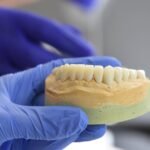
Dentures are often the most affordable option for tooth replacement. They come in two types: complete dentures and partial dentures. Complete dentures are used when all teeth are missing, while partial dentures are for those who still have some remaining teeth.
The cost of dentures can vary widely based on materials used and the dental professional’s fees. Here’s a rough breakdown:
- Complete Dentures: $300 to $3,000
- Partial Dentures: $300 to $2,000
Even though dentures are budget-friendly, they can require adjustments and replacements over time, which can lead to additional costs.
Dental Bridges
A dental bridge is another economical option for replacing one or more missing teeth. This involves anchoring a false tooth between two crowns that fit over your natural teeth. While bridges are generally more expensive than dentures, they can be more affordable than dental implants.
The price for bridges typically ranges from:
- Traditional Bridge: $500 to $1,500 per tooth
- Maryland Bridge: $300 to $1,100
Because bridges depend on surrounding teeth for support, they can also last longer than dentures, offering greater stability.
Dental Implants
While dental implants are often considered the gold standard in tooth replacement, they can be pricey. However, there are cost-effective alternatives in the realm of dental implants. Mini dental implants are a less invasive and cheaper option. These implants are smaller and require less surgical work.
The typical cost ranges from:
- Traditional Dental Implants: $3,000 to $5,000 per tooth
- Mini Implants: $500 to $1,500 per tooth
Although the upfront cost may be higher, dental implants can last for decades, making them a long-term investment.
Resin-Bonded Bridges
Resin-bonded bridges, also known as Maryland bridges, are used for replacing missing front teeth. They are typically less expensive than traditional bridges and dental implants. They involve attaching the artificial tooth to the back of your existing teeth using a resin. This option generally costs:
- Resin-Bonded Bridge: $300 to $1,100 per tooth
Resin-bonded bridges are often less invasive, making them suitable for individuals who want a quicker recovery time.
Factors to Consider
When exploring the cheapest tooth replacement options, you should consider:
- Longevity: Some options like dental implants can last longer than others, potentially saving money in the long run.
- Comfort: Options like dentures might not feel as natural as implants or bridges.
- Health: Maintaining good dental hygiene is essential. Consider how each option complements your overall dental health.
- Professional Help: Always consult with a dentist for personalized advice on what suits your situation best.
Before deciding, it’s a good idea to consult your dentist about the cost and durability of each option. They can provide insights personalized to your dental health and budget. You can also explore financing options offered by dental clinics to ease the cost of treatment.
For further information on dental care and various tooth replacement options, consider visiting the Mayo Clinic or the American Dental Association. Both sites offer extensive resources that can help you become better informed about dental options suitable for you.
While you are looking for the cheapest tooth replacement option, remember that each solution has pros and cons. Weighing these against your budget and dental health is crucial. This way, you can achieve the best outcome for your smile without compromising on quality.
Comparing Costs of Dentures, Bridges, and Implants
If you are considering replacing missing teeth, you have several options, including dentures, bridges, and implants. Each choice has its own cost, benefits, and drawbacks. It’s essential to compare these options to determine what’s best for you and your budget.
Cost Overview
When exploring tooth replacement options, cost is often a primary concern. Here’s a general breakdown of prices:
| Option | Average Cost | Duration | Maintenance |
|---|---|---|---|
| Dentures | $300 – $2,500 | 5 – 10 years | Regular cleaning; relining every couple of years |
| Bridges | $500 – $1,500 per tooth | 5 – 15 years | Regular brushing and flossing |
| Implants | $1,500 – $6,000 per implant | 15 – 25 years | Similar to natural teeth; requires regular dental care |
Dentures
Dentures are one of the most affordable options for replacing missing teeth. They are removable prosthetic devices that can replace a full set of teeth or just a few missing ones. The cost varies depending on whether they’re full or partial. While initial costs are lower, consider that dentures may need to be replaced or relined over time, impacting their long-term value. For more information on dentures, visit WebMD.
Bridges
Dental bridges consist of two crowns placed on healthy teeth, with a false tooth in between. This option is ideal if you have a few missing teeth and can be more stable than dentures. The cost generally depends on the number of missing teeth, as well as the materials used. Bridges can provide a natural feel and appearance, but the supporting teeth may require adjustments and could be at risk of decay. For further insights on dental bridges, refer to American Dental Association.
Dental Implants
Dental implants are often regarded as the best option for tooth replacement due to their permanence and functionality. An implant includes a titanium post surgically placed in the jawbone, functioning like a tooth root. They offer durability, a natural look, and do not affect adjacent teeth. However, implants carry a higher initial cost and may not be suitable for everyone. For more details about dental implants, check out Mayo Clinic.
Comparing Long-term Costs
When selecting a tooth replacement option, it’s vital to consider both the initial and long-term costs involved. While dentures may seem budget-friendly upfront, their frequent replacements and additional care might accumulate expenses. Bridges provide a middle ground with moderate costs but do require maintenance of surrounding teeth. Dental implants, though pricier initially, can offer the best value over time if you consider their longevity and stability.
Factors to Consider
- Dental Health: Your overall dental health may influence which options are available. For instance, healthy gums and sufficient bone density are crucial for implants.
- Budget: Always assess your budget. Consider not just the initial costs but also future maintenance and replacements.
- Comfort: Comfort and usability can vary between options; implants often feel the most natural.
- Time: Implant surgery takes more time, with several visits to ensure proper placement and healing, while dentures and bridges can often be obtained quicker.
Whether you opt for dentures, bridges, or implants, understanding the costs and benefits of each option will help you make an informed decision. Be sure to consult a dental professional who can guide you based on your specific needs. For more guidance on choosing the right tooth replacement option, visit ADA’s Find a Dentist tool.
Factors That Influence Tooth Replacement Costs
When you’re considering tooth replacement options, it’s important to understand the various factors that can influence the overall costs. Whether you’re looking at dental implants, dentures, or bridges, different elements determine how much you’ll pay. Here’s a breakdown of the critical factors that influence tooth replacement costs, providing you with the needed insight for making an informed decision.
Type of Tooth Replacement
The type of tooth replacement you choose greatly affects the cost. Here are common options:
- Dental Implants: Often the most expensive option, dental implants can cost between $3,000 and $4,500 per tooth. They involve surgery to place a metal post in the jawbone.
- Bridges: Typically more affordable than implants, bridges can range from $1,500 to $2,500 per tooth. They rely on adjacent teeth for support.
- Full or Partial Dentures: Dentures are usually the least expensive option, costing anywhere from $300 to $2,000. The price varies depending on whether you need full or partial dentures.
Location of the Dental Practice
Your geographical location can heavily influence dental costs. Prices vary significantly across regions. Urban areas with a higher cost of living often charge more than rural practices. For example, dental procedures in cities like New York may cost 20-30% more than in smaller towns. Be sure to research local prices in your area, such as on websites like DentalPlans.
Dentist’s Experience and Reputation
The qualifications and experience of the dentist performing the procedure will also affect the cost. Highly experienced professionals with a good reputation typically charge more for their services due to their expertise and success rates. You’ll want to balance the cost with the quality of care, so doing some research about your dentist through online reviews or testimonials can help.
Material Quality
When undergoing any tooth replacement procedure, the materials used can also impact the cost. For example:
| Material | Cost Range |
|---|---|
| Porcelain | More expensive, but offers a natural look. |
| Resin | More affordable, though less durable. |
| Metal | Usually a balance of cost and durability. |
Choosing high-quality materials may increase your upfront costs, but they often provide greater longevity and save you money in the long run.
Insurance Coverage
Your dental insurance plan can play a crucial role in tooth replacement costs. Some plans cover a portion of the procedure, while others may not cover specific treatments at all. Always check with your insurance provider to see what they will cover. You may be surprised to find that dental implants, which are considered cosmetic in some cases, may not be covered. On the other hand, traditional dentures and bridges might have better coverage.
Additional Treatments Required
In some cases, additional treatments may be necessary before you can get a tooth replacement. These can include:
- Bone Grafting: If you’ve lost bone due to missing teeth, this procedure can prepare your jaw for an implant and may run between $300 and $3,000.
- Extractions: If a tooth needs to be removed before a replacement can be placed, this can add to your costs, usually around $75 to $300 per tooth.
Understanding these variables can help you budget for tooth replacement effectively. Getting multiple quotes from dental professionals can provide you with a clearer picture of what to expect financially. Do not hesitate to reach out to dental professionals or resources such as American Dental Association for more insights into costs and options available to you.
Ultimately, finding the cheapest tooth replacement option may not solely be about the lowest initial cost. It’s essential to consider the potential long-term expenses and the quality of life improvements that come with a suitable choice. Choose wisely and consult with your dentist to explore all viable options tailored to your needs.
How to Choose the Right Tooth Replacement for Your Budget
Choosing the right tooth replacement option depends on your personal circumstances, including your dental health, lifestyle, and, importantly, your budget. Many people face this decision at some point in their lives for various reasons, whether due to tooth decay, an accident, or natural wear and tear. Here are essential factors to consider as you weigh your options.
Understanding Tooth Replacement Options
There are several types of tooth replacement methods, each with its own cost implications. It’s essential to understand these options to make an informed decision:
- Dental Implants: Considered one of the best long-term options, dental implants resemble natural teeth. The cost can be high, often ranging from $1,000 to $3,000 per implant.
- Bridges: If you’re missing one or more teeth, a dental bridge can be a good option. Bridges typically range from $300 to $1,500 per tooth.
- Dentures: Dentures are removable appliances that replace missing teeth. They can be a more affordable choice, usually costing between $300 and $2,500, depending on whether they are partial or complete.
- Resin-Bonded Bridges: These are often called Maryland bridges and are less invasive than traditional bridges. Their cost lies somewhere between $500 and $1,300.
Assessing Your Budget
Next, assess your budget. Consider the following factors when setting your financial expectations:
- Insurance Coverage: Check your dental insurance policy. Many plans cover a portion of tooth replacement costs, especially dental implants and bridges.
- Payment Plans: Some dental practices offer flexible payment plans, making it easier to afford dental work over time.
- Financing Options: Look into third-party financing options that can help spread the costs over a year or more.
Evaluating Long-Term vs. Short-Term Costs
While it may be tempting to choose the cheapest tooth replacement option, consider the long-term implications:
- Durability: Some options, like dental implants, are more durable and may save you money in the long run since they typically require less maintenance and fewer replacements over time.
- Additional Costs: Cheaper solutions may come with hidden costs. For example, dentures may require replacement every few years, adding to your expenses.
Seeking Professional Advice
Before making a final decision, consult your dentist or an oral health specialist. They can help determine the best option based on:
- Your Dental Health: Existing dental issues may impact which replacements are suitable for you.
- Future Dental Needs: Think about your future oral health needs and how certain options might affect your overall dental care.
Researching Your Options
Take the time to research dental practices in your area. Compare prices and services offered by different clinics. You may find significant differences depending on the dentist’s experience.
| Tooth Replacement Option | Average Cost | Pros | Cons |
|---|---|---|---|
| Dental Implants | $1,000 – $3,000 | Long-lasting, looks natural | Higher cost |
| Bridges | $300 – $1,500 | Good for multiple teeth | May need replacement |
| Dentures | $300 – $2,500 | More affordable | Less stable, removable |
| Resin-Bonded Bridges | $500 – $1,300 | Less invasive | May not be as durable |
Remember, your choice of tooth replacement should reflect not just your immediate budget but also your long-term oral health needs. Investing time into understanding your options can pay off with healthier teeth and a happier smile for years to come.
For more information on affordable tooth replacement options, visit WebMD or discover financing options through CareCredit.
The Impact of Dental Insurance on Tooth Replacement Expenses
Dental expenses can be overwhelming, and when it comes to tooth replacement, many people find themselves wondering how to manage those costs effectively. One critical factor that significantly influences the out-of-pocket expenses for tooth replacement is dental insurance. Understanding how dental insurance affects your expenses can help you make informed decisions about your oral health.
The Role of Dental Insurance in Tooth Replacement
Dental insurance is designed to help offset costs related to dental care, including tooth replacements such as crowns, bridges, and dentures. Many insurance plans cover a portion of these procedures, but the extent of coverage can vary widely. Here are key components of dental insurance concerning tooth replacement:
- Types of Coverage: Most dental insurance plans have different types of coverage — preventive, basic, and major. Tooth replacements typically fall under major procedures, meaning they often require a higher premium but come with more significant benefits.
- Percentage of Coverage: Insurance plans often cover a percentage of the procedure cost. For instance, some plans may cover 50% of major dental work, which can significantly reduce your financial burden.
- Annual Maximums: Many insurance policies have an annual maximum limit. This means there’s a cap on how much the plan will pay within a calendar year. If your tooth replacement costs exceed this limit, you’ll have to pay the additional amount out of your pocket.
- Waiting Periods: Some insurance policies impose waiting periods for major procedures. If you require immediate tooth replacement, you may need to wait several months after enrolling in a new plan before you are eligible for coverage.
Understanding Your Policy
Before undergoing any tooth replacement procedure, it’s essential to review your dental insurance policy carefully. Pay close attention to the details regarding coverage for major procedures. Here are some tips for maximizing your dental insurance benefits:
- Check Your Benefits: Look for a benefits summary that outlines what procedures are covered, and the associated costs. Understanding your plan can help you estimate the out-of-pocket expenses for tooth replacements.
- Ask About Pre-Authorization: Many dentists recommend getting a pre-authorization from your insurance provider. This can confirm whether the procedure is covered and the estimated costs, preventing unexpected bills.
- Consult Your Dentist: Your dentist’s office often has experience with various insurance plans. They can help you navigate coverage, file claims, and answer questions about potential costs.
Alternative Payment Options
If you find that your dental insurance coverage will not fully cover the expenses of tooth replacement, consider exploring alternative payment options:
- Payment Plans: Many dental offices offer payment plans that allow you to spread out the expense over several months, making it more manageable.
- Health Savings Accounts (HSAs): If your employer offers an HSA, you can use pre-tax dollars to pay for dental expenses, including tooth replacements.
- Dental Discount Plans: These plans provide discounts on dental care for a low annual fee, offering an alternative way to save on dental work.
Finding Affordable Tooth Replacement Options
While dental insurance can significantly reduce costs, many options can complement coverage or work independently for those uninsured. Here’s a brief overview of affordable tooth replacement strategies:
| Option | Average Cost | Notes |
|---|---|---|
| Dental Implants | $3,000 – $4,500 | Durable and long-lasting but may not be fully covered by insurance. |
| Bridges | $2,000 – $5,000 | Can be partially covered by insurance, especially if it’s deemed necessary. |
| Complete Dentures | $600 – $8,000 | Costs can vary widely; check if partial dentures are suited for your case. |
Ultimately, understanding the impact of dental insurance on tooth replacement expenses is crucial for making smart financial decisions. Be proactive in seeking the best insurance plan, be aware of your benefits, and consult your dentist to navigate your options effectively. For more information on dental insurance and to find a suitable provider, check sites like NADP or DentalPlans.com.
DIY Tooth Replacement Solutions: Are They Safe?
Many people face the challenge of tooth loss, and while dental implants and bridges can be expensive, some consider DIY tooth replacement solutions. However, before diving into at-home alternatives, it’s essential to understand their safety and effectiveness.
DIY tooth replacement methods can range from using temporary kits available in stores to completely homemade solutions. These options might be appealing due to their low cost, but the risks involved often outweigh the benefits. Below, we’ll explore some commonly discussed DIY methods and their potential safety concerns.
Common DIY Tooth Replacement Methods
- Dental Wax Kits: Many retail dental kits offer molds to create a temporary tooth. Users can shape wax and place it in the gap. While this may provide a quick fix, it’s not durable or hygienic over the long term.
- Glue or Adhesive Solutions: Some individuals have attempted to use superglue or other adhesives to attach materials like beads or plastic to their gums. This practice can lead to severe infections and should be avoided.
- Homemade Teeth: Using materials like clay or even cardboard for making a tooth might sound creative, but these materials are unsuitable for oral use and can harm your gums and overall oral health.
- Removable Dentures: While not strictly DIY, some people create their own version of removable dentures. This can sometimes work better than other makeshift methods, but professional fitting is crucial.
Risks Associated with DIY Tooth Replacement Solutions
Before attempting a DIY solution, it’s important to recognize the potential hazards that accompany these practices. Here are some of the risks you may encounter:
- Infection: Using non-medical-grade materials can introduce bacteria into the mouth, leading to serious infections.
- Allergic Reactions: Certain adhesives or materials may cause allergic reactions or irritation to sensitive gums.
- Misalignment: Improperly positioned DIY replacements can lead to further dental issues, like jaw misalignment.
- Complications from Damage: Materials that aren’t safe for oral use can chip or break, possibly damaging neighboring teeth or gums.
Understanding Professional Alternatives
If you’re considering a tooth replacement, it’s wise to weigh the benefits of consulting with a dental professional. Here are some conventional options you can explore:
| Option | Description | Cost Range |
|---|---|---|
| Dental Implants | Permanent solutions that involve surgically placing a metal post in the jawbone. | $3,000 – $4,500 per tooth |
| Bridges | Fixed prosthetics that replace one or more missing teeth by anchoring to adjacent teeth. | $2,000 – $5,000 per bridge |
| Dentures | Removable appliances that can replace multiple missing teeth. | $300 – $3,000 depending on type |
The costs may seem high, but professional solutions often prove safer and more effective than DIY attempts. Each option has advantages and disadvantages, and only a dentist can help you find the best fit for your needs.
For those looking to find affordable dental treatments, resources like ADA News provide valuable insights into dental options. Additionally, consulting sites like WebMD can provide detailed information on dental health.
While DIY tooth replacement may seem like a cost-effective solution, the safety and long-term implications cannot be overlooked. Seeking professional advice not only ensures a better fit and aesthetic but also protects your overall health. Don’t compromise your smile with risky DIY practices—opt for safer, proven dental solutions instead.
Long-Term Financial Benefits of Affordable Tooth Replacement Choices
When considering tooth replacement, many people focus on the initial costs without recognizing the long-term financial implications. Affordable tooth replacement options can offer significant savings over time. Understanding these benefits can help you make a more informed choice for your dental health and finances.
Understanding Affordable Tooth Replacement Options
Tooth replacement options vary widely, ranging from dental implants to dentures. Here, we will explore why affordability is important and how various options can affect your finances in the long term.
Types of Tooth Replacement Options
- Dental Implants: While the upfront cost is high, dental implants can be a lasting solution. They are designed to last for decades, reducing the need for future replacements.
- Traditional Dentures: These have a lower initial cost but can require adjustments and replacements over time. They may need to be replaced every 5-10 years, making them more expensive in the long run.
- Partial Dentures: Similar to full dentures, these are less costly initially. However, they can necessitate additional dental work, which can lead to rising expenses.
Financial Benefits Over Time
Choosing an affordable tooth replacement option can lead to savings in various ways:
1. Reduced Maintenance Costs
Some tooth replacement options require minimal maintenance. For instance, dental implants generally do not need special cleaning products, while dentures do. By choosing an option that saves you on maintenance, you can invest those savings elsewhere.
2. Enhanced Oral Health
Your oral health significantly affects overall health and can lead to increased medical bills if neglected. Affordable tooth replacement options help keep your mouth healthy, promoting better health and avoiding costly medical interventions.
3. Improved Quality of Life
When you invest in a solid tooth replacement option, you experience better function when eating and speaking. This often translates to improved job performance and confidence, which can lead to better job opportunities and earnings.
Case Studies: Real-Life Savings with Affordable Tooth Replacement
To illustrate the long-term savings potential, consider the following examples:
| Tooth Replacement Option | Initial Cost | Average Lifespan | Total Cost Over 10 Years |
|---|---|---|---|
| Dental Implants | $3,000 | 25+ years | $3,000 |
| Full Dentures | $1,500 | 7 years | $4,500 |
| Partial Dentures | $1,000 | 5 years | $6,000 |
As illustrated, while dental implants may look like a larger investment initially, their long-term value proves to be much more cost-effective compared to dentures.
Insurance and Financing Options
If you’re concerned about upfront costs, many dental insurance plans cover a portion of tooth replacement procedures. Additionally, financing options are often available to spread out payments. This allows you to access quality dental care without severe financial strain.
Delta Dental offers various plans to help cover costs for dental work, including restorations and tooth replacements.
Finding a Dental Practice That Meets Your Needs
Choosing the right dental practice is crucial for maximizing the benefits of your tooth replacement options. Look for practices that offer comprehensive examinations and allow for open discussion about your budget and needs.
Visit the American Dental Association for resources on finding quality dental services that can assist in your tooth replacement journey.
By considering the long-term financial benefits of affordable tooth replacement options and making informed decisions, you can better manage your dental health and finances. Investing wisely today can lead to a healthier, happier future.
Key Takeaway:
When considering tooth replacement options, it’s essential to identify the most cost-effective choices that not only fit within your budget but also meet your long-term dental needs. This comprehensive overview highlights several affordable tooth replacement methods, such as dentures, dental bridges, and dental implants, allowing you to evaluate which option is best suited for you.
Cost comparison reveals that dentures are typically the most affordable option, offering a budget-friendly solution for those facing complete tooth loss. Dental bridges serve as a mid-range alternative, effectively bridging gaps left by missing teeth while providing a more permanent solution than dentures. On the higher end, dental implants present a significant investment but offer numerous advantages, including durability and a natural feel. It is crucial to weigh these options against your financial capabilities and long-term oral health needs.
The costs associated with tooth replacement can vary greatly depending on several factors. Your geographic location, the dental provider’s experience, and the complexity of your specific dental situation will all influence prices. Additionally, your dental insurance may play a significant role in the expenses incurred, with varying levels of coverage depending on your plan.
As you navigate your choices, it’s also worth considering some unconventional DIY solutions. While these might seem appealing in terms of cost, safety and effectiveness can be significant concerns. It is strongly advised to consult with a dental professional before pursuing any DIY tooth replacement methods.
Investing in affordable tooth replacement solutions is not merely about lowering immediate costs; these choices can yield long-term financial benefits. By opting for dependable dental care that enhances oral health, you can potentially save on future treatments related to untreated dental issues. Thus, engaging in thoughtful consideration of your options grants you the power to manage your dental health and finances effectively. Finding a balance between cost, safety, and quality is the key takeaway when exploring what the cheapest tooth replacement options truly entail.
Conclusion
Finding the cheapest tooth replacement option requires careful consideration of various factors that affect your choice and budget. Dentures, bridges, and implants each offer unique benefits and costs, allowing you to weigh your options effectively. Understanding the financial implications, including how dental insurance can alleviate some expenses, is crucial in making an informed decision.
Choosing the right tooth replacement not only hinges on upfront costs but also on the long-term value it brings to your oral health. It’s essential to consider how each option fits your lifestyle, comfort, and future dental needs. While DIY tooth replacement solutions may seem tempting due to their low costs, they often lack the safety and effectiveness you should expect from professional dental care.
Ultimately, it’s clear that affordable tooth replacement choices can lead to significant long-term financial benefits. By investing wisely, you can ensure that your new smile enhances your quality of life without straining your finances. Take your time to explore all the available options, consult with dental professionals, and choose a solution that aligns with both your immediate needs and future goals. Remember, a healthy smile is not just an aesthetic choice; it’s a vital part of your overall well-being and confidence.