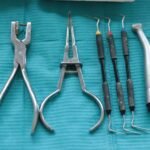
Overview of Community Dental Programs in the US
Community dental programs play a vital role in improving oral health across the United States. They target underserved populations by providing essential dental care services. These programs are designed to eliminate barriers that prevent individuals from accessing dental care. By offering affordable and often free services, they ensure that everyone, regardless of socioeconomic status, can maintain good oral hygiene.
These community dental programs vary widely in their structure and offerings. Many are run by non-profit organizations, while others may operate under government funding. Some major components of these programs include preventive care, education, and treatment services. It’s crucial for communities to be aware of what these programs offer.
Types of Community Dental Programs
- Mobile Dental Clinics: These clinics travel to different areas to provide care, making dental services accessible to those who may not be able to travel.
- School-Based Programs: Schools often partner with local dental providers to offer on-site services, including screenings and sealants.
- Community Health Centers: Many health centers offer dental services as part of comprehensive health care, focusing on low-income individuals.
- Non-Profit Dental Organizations: Entities like [Mission of Mercy](https://www.missionofmercy.org “Mission of Mercy”) provide free dental care events.
- Volunteer Programs: Various organizations engage volunteers to deliver care at designated sites, such as churches or community centers.
Key Services Offered
Community dental programs commonly provide a variety of services aimed at promoting dental health:
| Service | Description |
|---|---|
| Preventive Care | Includes cleanings, fluoride treatments, and dental sealants to prevent decay. |
| Restorative Services | Covers fillings, crowns, and other treatments to restore tooth function. |
| Education | Workshops and materials to educate children and adults about oral hygiene practices. |
| Emergency Care | Offers immediate treatment for urgent dental issues, such as pain and trauma. |
The Importance of Community Dental Programs
Access to dental care is often limited for low-income families. Dental issues can lead to more serious health problems if not treated. Community dental programs help bridge this gap by providing essential services. They not only improve individual health but also boost community well-being. Healthy smiles lead to better school performance for children, improved workplace productivity, and lower healthcare costs over time.
Finding Community Dental Programs
If you or someone you know needs dental care, it’s essential to find local resources. Several websites can guide you to community dental programs in your area. Consider looking into:
- National Association of Community Health Centers for information on community health centers.
- American Dental Association for resources and links to local programs.
- United Way to find local volunteer-driven dental services.
Many community programs also utilize social media and local advertising to spread information about their services. Engaging with local community centers, schools, or religious organizations can also help you stay informed about available resources.
Community dental programs are an essential part of America’s healthcare landscape. They provide crucial services to those in need, significantly impacting individual and public health. By participating and supporting these programs, you essentially contribute to a healthier community while ensuring that dental care is accessible to everyone.
Key Benefits of Community Dental Programs for Low-Income Families
Community dental programs are essential for improving oral health, especially for low-income families who often struggle to access dental care. These initiatives offer numerous benefits, addressing financial barriers and providing high-quality services that contribute to overall well-being. By understanding the advantages of these programs, families can make informed decisions about their dental health.
Improved Access to Dental Care
One of the primary benefits of community dental programs is that they enhance access to dental services. Many low-income families face challenges such as transportation issues or high costs, which can limit their dental care options. Community programs often operate in various locations and offer flexible hours, making it easier for families to visit the dentist. Additionally, many programs do not require insurance, allowing even the most financially constrained individuals to receive necessary care.
Affordable Treatment Options
Cost is a significant barrier to dental health for many low-income households. Community dental programs typically offer services at reduced rates or on a sliding scale based on income. This affordability enables families to receive preventive care, restorative procedures, and emergency treatments without the burden of substantial debt. For example, routine cleanings and check-ups are often provided at little to no cost.
Comprehensive Preventive Care
Preventive care is crucial for maintaining oral health, and community dental programs place a strong emphasis on these services. When families participate in regular check-ups, they can catch dental issues early, which prevents the need for more serious and costly treatments later on. Preventive measures offered may include:
- Routine dental exams
- Dental cleanings
- X-rays
- Sealants
- Fluoride treatments
Education and Awareness Programs
Many community dental programs also include educational components designed to raise awareness about dental health. By teaching families about proper oral hygiene practices and the importance of regular dental visits, these programs empower individuals to take control of their oral health. Workshops, informational flyers, and one-on-one consultations can cover essential topics such as:
- Brushing and flossing techniques
- Healthy dietary choices for dental health
- The effects of tobacco and alcohol on oral health
- Understanding dental insurance and available resources
Family-Centric Services
Community dental programs often provide services tailored to meet the needs of entire families. This family-centric approach makes it convenient for parents to seek care for their children while also receiving treatment for themselves. Services can include pediatric dentistry, orthodontics, and care for special needs patients, ensuring that all family members can maintain good oral health together.
Partnerships with Local Organizations
Community dental programs frequently partner with local organizations to expand their reach and effectiveness. Collaborations may include schools, health departments, and nonprofits that focus on child and family wellness. These partnerships can help to bring in additional resources, funding, and volunteers, further enhancing the programs’ services and outreach efforts. By working together, organizations can create more comprehensive health solutions that encompass both dental and overall health care.
Real-Life Impact on Communities
Studies show that communities with active dental programs exhibit significant improvements in oral health statistics. For instance, areas that offer accessible dental care often witness reductions in tooth decay rates among children. This improvement contributes to better attendance in schools, as children with healthy teeth can eat and learn without pain or distraction. With sustained access to preventive care, the overall health of the community enhances, promoting a cycle of positive health outcomes.
Community dental programs provide vital benefits for low-income families, addressing obstacles to dental care and promoting healthier outcomes. They offer improved access, affordable treatment, preventive education, family-friendly services, and community partnerships that enrich the overall health landscape.
For those interested in finding a community dental program, consider visiting the National Association of Community Health Centers or your local health department’s website. These resources can connect you with dental services tailored to your needs.
The importance of these dental programs cannot be overstated. By participating in community initiatives, families can foster a healthier future for themselves and their children, ensuring that oral health remains a priority in their lives.
How Community Dental Programs Improve Oral Health in Rural Areas
Access to dental care is often limited in rural areas of the United States. This lack of access can contribute to a host of oral health problems among residents. Community dental programs play a significant role in addressing this issue, providing essential services that improve oral health in these underserved regions. These programs aim to bridge the gap between the community and dental health resources.
One of the significant advantages of community dental programs is the convenience they offer. Many initiatives establish mobile dental clinics that travel to remote areas, delivering care right where it is needed. This approach ensures that individuals who may not have reliable transportation or the ability to travel to urban centers can still receive essential dental care. Additionally, these programs often offer services at reduced costs or even free of charge, making dental care more accessible to low-income families.
Many community dental programs focus on preventive care. Regular check-ups can catch issues before they become more serious, saving both pain and money for patients. Services typically include:
- Routine cleanings
- Fluoride treatments
- X-rays
- Sealants
By emphasizing preventive measures, these programs help residents maintain healthier smiles and avoid expensive emergency procedures in the future.
Education is also a core component of these community initiatives. Many organizations offer workshops or informational sessions aimed at teaching residents about good oral hygiene practices. This education might cover:
- The importance of brushing and flossing
- Understanding nutrition and its impact on oral health
- Recognizing signs of dental issues early
When individuals understand how to care for their teeth properly, they are more likely to practice good habits, leading to better oral health outcomes in the long run.
Collaboration with local schools is another effective strategy employed by community dental programs. By visiting schools and providing screenings, these programs can identify children who may need dental care early on. Oftentimes, they also provide treatment right at school or arrange for follow-up care in local clinics. This proactive approach directly impacts children’s health, making it a vital strategy in combating oral health disparities in rural populations.
Many community dental programs also focus on specific populations, such as the elderly, pregnant women, or tribal communities. Tailoring services to meet the unique needs of these groups can lead to better engagement and outcomes. For example, pregnant women may receive specialized care to ensure their oral health supports their overall health and their child’s development.
Moreover, partnerships with local health departments and non-profit organizations enhance the effectiveness of these community programs. Collaborative efforts can amplify resources and outreach, allowing programs to serve greater numbers of people. Resources can be pooled for larger events, such as “Give Kids a Smile Day,” which provides free dental services to children in need. By working together, these organizations can create a more significant impact and ensure that more individuals receive necessary care.
It’s essential to monitor and evaluate the effectiveness of community dental programs regularly. Collecting data on patient outcomes helps to determine successful strategies, address challenges, and justify funding requests. Many organizations utilize tools that track improvements in oral health indicators following treatment, enabling them to demonstrate the tangible benefits of their work in the community.
The role of community dental programs in improving oral health in rural areas cannot be overstated. By implementing accessible services, focusing on prevention, providing education, and collaborating with local entities, these programs can turn the tide on dental disparities. They empower individuals to take charge of their oral health and promote healthier communities.
For more information on community dental programs and how they impact oral health in underserved areas, visit National Children’s Oral Health Foundation or American Academy of Cosmetic Dentistry. You can also explore local initiatives through your state’s health department.
The Role of Volunteers in Community Dental Initiatives
Community dental initiatives play a crucial role in ensuring access to dental care, especially for underserved populations. Volunteers are the backbone of many of these programs, bringing not only their time but also their skills and passion. Their contribution goes beyond just direct care; it encompasses education, advocacy, and building stronger community ties.
One primary function of volunteers in community dental programs is to provide essential dental services. This includes preventive care like cleanings and screenings, as well as treatment for dental issues. Many volunteers are dental professionals: dentists, dental hygienists, and dental assistants. They dedicate their skills during health fairs, community clinics, and outreach events. You can find specific programs where volunteers can get involved through the American Dental Association.
Education plays another vital role in community dental initiatives. Volunteers often provide oral health education to schools, community centers, and local organizations. Teaching the importance of good dental hygiene habits benefits children and adults alike. By demonstrating proper brushing and flossing techniques and sharing tips on nutrition, volunteers help foster a culture of oral health awareness.
Additionally, volunteers are pivotal in advocating for access to dental care. This can involve working with local governments to promote policies that support oral health initiatives or engaging in fundraising activities to enhance program resources. Organizations such as the American Dental Association’s MouthHealthy provide resources and guidelines for volunteers looking to make a difference through advocacy.
Benefits of Volunteer Involvement
Volunteering in community dental programs can be incredibly rewarding, not just for those receiving care but also for the volunteers themselves. Here are some benefits:
- Skill Development: Volunteers gain hands-on experience that can enhance their professional skills and enrich their resumes.
- Networking Opportunities: Engaging with professionals and community leaders opens doors for future collaborations and career growth.
- Personal Fulfillment: Giving back to the community provides a sense of purpose and can improve overall well-being.
Challenges Faced by Volunteers
While the contributions of volunteers are invaluable, they also face several challenges:
- Time Constraints: Many volunteers balance their commitments with work, family, and other responsibilities, making it difficult to dedicate time to these programs.
- Resources: Limited funding and supplies can hinder the effectiveness of community dental initiatives, impacting the quality of care provided.
- Training Needs: Volunteers may require additional training to effectively serve in various roles within the programs.
Making a Difference
To ensure that volunteers can maximize their impact, it is vital to support them through various means:
- Provide Comprehensive Training: Offering training sessions allows volunteers to gain the necessary skills and confidence.
- Foster a Supportive Environment: Creating a welcoming and encouraging atmosphere empowers volunteers to collaborate effectively.
- Recognize Contributions: Acknowledging the efforts and successes of volunteers helps motivate them and highlights the importance of their work.
For those looking to get involved, many organizations actively seek volunteers for community dental initiatives. Programs such as the National Foundation for Dentistry for the Handicapped offer various opportunities for people to contribute. By volunteering, you’re not only helping others but also becoming a part of a larger movement toward better oral health for all.
Volunteers in community dental programs perform essential roles that enhance access to dental care, raise awareness, and foster community engagement. Whether you are a dental professional or someone passionate about making a difference, your time and skills can significantly impact the lives of many. Taking the first step to volunteer often leads to transformative experiences for both the volunteer and the community.
Funding Sources for Community Dental Programs
Community dental programs play a vital role in providing essential oral health care to underserved populations across the United States. Funding for these programs is crucial for their sustainability and effectiveness. Many different sources contribute to the financial support of these initiatives, ensuring that they can continue to serve communities in need.
Federal and State Government Funding
One of the primary funding sources for community dental programs is government support at both the federal and state levels. Various federal programs offer grants and assistance specifically aimed at improving dental health among low-income families.
- Health Resources and Services Administration (HRSA): HRSA offers several programs that provide funding for dental health initiatives. You can learn more about their programs at HRSA.
- State Medicaid Programs: Many states include dental services in their Medicaid programs, offering coverage for eligible low-income individuals. Expansion of these programs can significantly enhance outreach and accessibility.
Private Foundations and Nonprofits
Private foundations and nonprofit organizations are crucial players in funding community dental programs. They often focus on specific initiatives that align with their mission to improve public health.
- The American Dental Association (ADA): The ADA provides grants to support oral health initiatives. For information, visit ADA.
- DentaQuest Foundation: This foundation focuses on advancing oral health equity by funding innovative practice models and community initiatives. More details can be found at DentaQuest Foundation.
Corporate Sponsorship
Corporations with a commitment to community service often provide financial support to community dental programs. This sponsorship can come in the form of donations, in-kind support, or sponsorship of specific events.
- Dental Equipment Manufacturers: Many companies that produce dental equipment may support programs through donations of supplies or funding for outreach initiatives.
- Local Businesses: Local businesses sometimes participate in sponsorship programs or events that benefit community dental health. Partnering with local businesses can enhance community involvement and funding opportunities.
Fundraising Events
Many community dental programs organize fundraising events to generate additional funds. These events not only help raise money but also increase community awareness about dental health issues.
- Charity Runs/Walks: Engaging community members in charity runs or walks can provide a fun way to raise funds and promote oral health awareness.
- Gala Events: Hosting events like dinners or auctions can generate significant funds while providing community members with an opportunity to learn more about the programs and their impact.
Insurance Reimbursement
Insurance reimbursement plays an important role in funding for community dental programs, particularly those that provide services to insured individuals under government programs.
- Medicaid and CHIP: Both programs offer reimbursement for dental services provided to eligible beneficiaries, allowing community dental programs to sustain their operations.
- Private Insurance: Although less common, some community programs accept private insurance, which can help cover costs associated with dental services.
Community Contributions
The local community often plays a crucial role in supporting dental programs financially. Grassroots contributions can come from a variety of small-scale donation efforts.
- Community Fundraising Drives: Local residents can organize drive events to collect funds explicitly for the dental program.
- In-Kind Donations: Businesses and individuals may also donate supplies, helping to reduce operational costs.
Funding sources for community dental programs in the U.S. are diverse, encompassing government grants and private foundations to corporate sponsorship and community contributions. Each funding avenue plays its part in ensuring that underserved populations receive the vital oral health care they need.
Success Stories: Transformational Impact of Community Dental Services
The landscape of dental health in the United States sees significant disparities, particularly among low-income families and underserved communities. Fortunately, community dental programs have emerged as a powerful force for change. By providing extensive dental services and education, these programs have positively transformed countless lives across the nation.
One of the most impressive aspects of community dental programs is their holistic approach. They not only focus on treatment but also emphasize prevention and education. This strategy effectively reduces the instances of dental emergencies by teaching families how to care for their oral health. Consequently, many participants have reported fewer visits to emergency rooms for dental issues, allowing healthcare systems to allocate valuable resources elsewhere.
Access to Care
Many community dental services offer sliding-scale fees or free services based on income. This approach breaks down financial barriers, allowing families to access essential dental care. Research indicates that when people have better access to dental services, they tend to seek preventive care more regularly.
For example, programs in urban areas such as New York City have shown remarkable results. The New York City Department of Health provides comprehensive dental programs that include school-based clinics. A reported 80% of children receiving treatment saw improvements in their dental health within six months. This access paves the way for healthier futures for these children.
Education and Empowerment
Beyond providing treatment, community dental programs prioritize education. Dental professionals often engage with children and their families in schools and community centers. They conduct workshops on the importance of good oral hygiene, offering demonstrations on proper brushing and flossing techniques.
Consider a case where a community program in Los Angeles reached over 1,500 students in just one year. The interactive sessions not only educated the children but also sparked interest in oral health professions, inspiring students to consider careers in dentistry.
Preventive Benefits
Education leads to preventive behaviors, which significantly reduce dental decay among participants. Here are some preventive measures often promoted through community dental programs:
- Regular dental check-ups
- Proper brushing and flossing techniques
- Nutritional guidance for oral health
- Fluoride treatments and dental sealants
These interventions empower families to take charge of their dental health, leading to better outcomes in the long run.
Changing Lives
Community dental programs are not just about teeth; they are about transforming lives. Take, for instance, the initiative launched by NDA Foundation which targets families in rural areas. Their program provides transportation and mobile dental units, enabling families to receive essential care without having to travel miles.
One remarkable success story comes from a young boy named Jake in a small Appalachian community. After engaging with a local mobile dental unit, he received much-needed fillings and education on oral care. His confidence soared, leading him to excel in school. Families like Jake’s often become advocates for health, inspiring others to participate in community dental care initiatives.
Building Community Connections
Community dental programs foster connections among residents, healthcare providers, and local organizations. By forming partnerships with schools, churches, and businesses, these programs create a supportive ecosystem. This collaborative approach encourages everyone to contribute to the cause of oral health and wellness.
In Virginia, local organizations partnered to provide free dental screenings during community festivals, reaching hundreds of families. These events not only serve as an access point for care but also strengthen community bonds.
Data and Impact
| Program Name | Location | Participants Served | Reported Improvement (%) |
|---|---|---|---|
| NYC Dental Health Program | New York City | 10,000+ | 80% |
| Virginia Mobile Unit | Virginia | 1,500 | 75% |
| California School Workshops | Los Angeles | 1,500 | 90% |
These statistics highlight the effectiveness of community dental programs and their critical role in shaping healthier communities across the U.S.
For families facing barriers to dental health, community dental programs are a beacon of hope. They not only provide dental care but also aim to create a lasting cultural shift towards better oral health. With accessible services, educational initiatives, and strong community ties, these programs continue to pave the way for a healthier future for all.
Future Trends in Community Dental Programs and Accessibility
Community dental programs in the US are evolving rapidly. The future of these programs will focus heavily on accessibility, ensuring that everyone has the opportunity to receive dental care. As the nation continues to grapple with oral health disparities, innovative strategies are emerging to improve dental health in underserved areas.
Technological Advancements
One of the most significant trends is the integration of technology in community dental programs. Tele-dentistry is gaining traction, offering patients virtual consultations and follow-up appointments. This not only saves time but also makes dental care more accessible for those in remote locations. By using smartphones and other devices, patients can connect with dental professionals without the need to travel long distances. Tele-dentistry is particularly beneficial for:
- Rural populations with few local providers.
- Individuals with mobility issues.
- Patients seeking specialty care that may not be available locally.
Mobile Dental Clinics
The trend of mobile dental clinics is also on the rise. These clinics travel to various locations, providing essential dental services directly to communities in need. This model breaks down barriers that often prevent individuals from accessing care. Benefits of mobile clinics include:
- Convenient locations.
- Targeted outreach to underserved populations.
- Immediate attention to dental emergencies.
Community Partnerships
Future community dental programs will likely strengthen partnerships with local organizations. By collaborating with schools, senior centers, and nonprofit groups, dental professionals can better reach populations at risk of neglecting oral health. These partnerships may facilitate:
- Educational workshops on oral hygiene.
- Screenings and preventive care events.
- Cultural competency training for dental staff.
Insurance Launches and Policy Changes
As policymakers seek to address gaps in dental care, expect more initiatives focusing on insurance coverage. Expanding Medicaid benefits and improving dental insurance options could lead to higher participation rates among low-income families. Key strategies may include:
- Increased funding for community health centers.
- Programs aimed at increasing awareness about available dental insurance.
- Incentives for dentists who serve low-income patients.
Focus on Preventive Care
The focus on preventive care will continue to be a cornerstone of community dental programs. Educating communities about the importance of regular dental check-ups and proper oral hygiene can significantly reduce the incidence of dental diseases. Programs may incorporate:
- School-based dental education programs.
- Outreach initiatives targeting at-risk populations.
- Community health campaigns emphasizing nutrition and oral health.
Integration with Overall Health Care
The future will see increased integration of dental care with overall health care. Studies consistently show a correlation between oral health and systemic diseases such as diabetes and heart disease. Addressing both dental and physical health can improve outcomes. Some potential avenues to explore include:
- Coordinated care between dentists and primary healthcare providers.
- Holistic health programs incorporating mental and oral health.
- Research initiatives exploring the connections between oral health and chronic diseases.
By adopting these forward-thinking approaches, community dental programs in the US can enhance accessibility, improve health outcomes, and ultimately foster healthier communities. The commitment to equitable dental care will remain a driving force in these initiatives, aiming to bridge the existing gaps and ensure that everyone has the opportunity to enjoy good oral health.
For more information about community dental programs and resources, consider visiting the following links:
Key Takeaway:
Community dental programs in the United States play a vital role in enhancing oral health, especially for underserved populations. These initiatives provide essential dental care to low-income families, helping to bridge the gap in access to services that many take for granted. By offering preventive services, education, and treatment, community dental programs not only improve individual health outcomes but also bolster community well-being as a whole.
One of the most significant benefits of these programs is their ability to reach low-income families who often lack access to affordable dental care. They eliminate financial barriers and serve as critical lifelines for those who might otherwise go without necessary treatments. This is especially evident in rural areas, where dental resources are often scarce. Community dental programs implement mobile dental units and outreach initiatives that bring services directly to underserved populations, ensuring that geographical isolation does not prevent individuals from receiving care.
Volunteers, including dental professionals and students, play an essential role in these initiatives. Their dedication not only helps to expand the reach of community dental programs but also fosters a spirit of community solidarity and support. Without their contributions, many of these programs would struggle to stay operational. Their involvement illustrates the power of community action and highlights the importance of collaborative efforts in improving public health.
Despite the successes of these programs, funding remains a critical challenge. Dentists, non-profit organizations, and government grants often come together to finance these initiatives. However, as demand for services grows, exploring innovative funding sources is crucial for sustaining these efforts.
Moreover, success stories from various community dental programs highlight their transformational impact. Clients often experience significant improvements in their overall health and self-esteem after receiving care, showcasing the profound, life-changing benefits these programs offer.
Looking ahead, future trends indicate a push towards even greater accessibility through technology and telehealth, making community dental care even more reach. community dental programs are indispensable in fostering oral health equity, and their ongoing evolution is fundamental in addressing the oral health needs of diverse populations in the US.
Conclusion
Community dental programs play a crucial role in enhancing oral health across the United States, particularly for low-income families and underserved rural areas. These initiatives not only provide essential dental care but also foster a sense of community by involving local volunteers who dedicate their time and skills to help others. The financial backbone of these programs often comes from various funding sources, including government grants and private donations, ensuring their sustainability and ability to reach those in need.
The benefits of community dental programs extend beyond immediate dental care; they significantly improve the overall health and well-being of families, reducing emergency room visits and promoting preventive care. Personal stories and success cases illustrate the transformational impact these services have on individuals’ lives, restoring smiles and confidence while supporting better health outcomes.
Looking ahead, community dental programs are poised to evolve, embracing innovative approaches to accessibility and care delivery. By leveraging technology and expanding outreach strategies, these programs can reach even more people, breaking down barriers to dental health. As society continues to recognize the importance of oral health as a vital component of overall wellness, the future looks bright for community dental initiatives. Together, we can create a healthier future where quality dental care is accessible to everyone, helping to close the gaps in oral health disparities across the nation.